Making Smart Choices with the Outfit Planner KDP Interior
For anyone exploring the world of low-content publishing on Amazon KDP, a well-designed interior template can be a game-changer. The Outfit Planner KDP Interior offers a streamlined path to creating a useful planner product without the need for complex graphic design skills. It’s a digital package providing the structured pages of an outfit planner, ready for you to brand and upload. This appeals to creators looking for efficiency, but the journey from download to successful listing requires a mindful approach. A common initial misunderstanding is viewing this as a finished product rather than a foundational template. That shift in perspective is crucial for using it effectively.
Overlooking the "Ready for Customization" Aspect
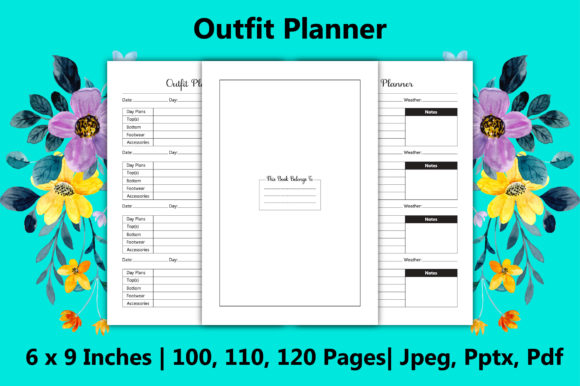
Many beginners download the Outfit Planner KDP Interior, see the provided JPEG and PDF files, and immediately upload them to KDP. This misses the core value of the package. The included PPTX (PowerPoint) file is your key to differentiation. Amazon’s marketplace is crowded; a planner that looks identical to dozens of others will struggle. The practical advice here is to treat the PowerPoint file as your starting canvas. Use it to add your own logo, change font styles for headings, or even adjust the layout of certain pages if your vision calls for it. This customization doesn’t require advanced skills—simple additions can create a unique identity that helps your product stand out.
Not Validating the Specifications Before Upload
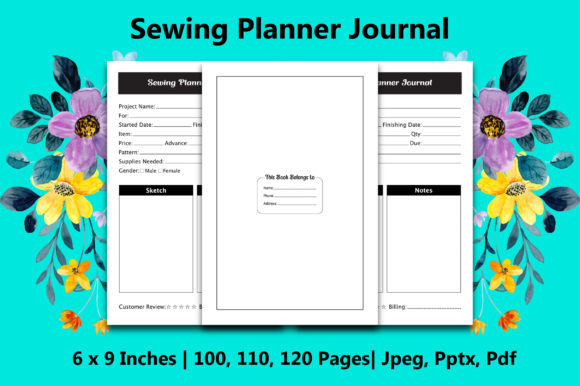
The product details state dimensions of 6 x 9 inches, no bleed, and black and white interior. A mistake that affects quality and can lead to rejection is assuming these settings are automatically applied in your final file. After you customize in PowerPoint, you must ensure your exported PDF still adheres to these exact technical specifications. For example, if you add a colored element, even if it prints in grayscale, it might unintentionally create a bleed effect if it touches the edge. The better approach is to always run a final check: measure the PDF dimensions, confirm it’s truly 6" x 9", and review the edges to guarantee no content spills into the bleed area. This pre-flight check saves time and avoids frustrating upload errors.
The Page Count Selection Pitfall
The Outfit Planner KDP Interior offers 100, 110, and 120-page options. Choosing one arbitrarily based on a desire for a "thicker" book can be a poor decision. More pages increase your printing cost, which directly affects your profit margin and the retail price you can competitively set. Consider the user’s actual need: an outfit planner with 120 pages might be excessive for many, while 100 pages could feel insufficient. Analyze comparable successful planners on KDP. Often, a mid-range option like 110 pages strikes a balance between perceived value and cost efficiency. Your choice should be strategic, aligning with customer expectations and your pricing model, not just a random selection.
Another related oversight is not considering the internal page structure across these counts. Does the 120-page version simply add more blank grids, or does it include additional useful sections like seasonal checklists or accessory trackers? Before downloading, clarify what constitutes the extra pages. This information dictates the utility of your final product and its marketing appeal. A planner with thoughtfully added features across higher page counts justifies the increased size and can be a stronger selling point.
Misunderstanding "Tested With Amazon KDP"
The note that the files are "Tested With Amazon KDP" provides reassurance, but it’s often misinterpreted as a guarantee of automatic approval. Testing means the base template complies with KDP’s technical guidelines for file type, resolution, and color space. However, your customization actions can invalidate that compliance. A realistic example: you insert a high-resolution photograph as a background, which makes the file size balloon beyond KDP’s recommended limits, causing processing issues. The constructive advice is to use the tested base as a stable foundation and make modifications conservatively. When adding images, keep them optimized for print; when adding text, use standard fonts. This way, you maintain the integrity of the tested template.
Neglecting the Market Context Before Launch
Falling in love with your customized planner is natural, but launching without researching the existing market is a common entrepreneurial mistake. Search Amazon for "outfit planner" and analyze the top listings. Look at their covers, their interior previews, their pricing, and their review comments. You might discover that most successful planners include a few inspirational pages or a basic style guide section. Your Outfit Planner KDP Interior can be adapted to include these if you use the editable PPTX file creatively. Perhaps add a single introductory page with style tips before the grid pages begin. This small addition, informed by market research, addresses a customer desire competitors are fulfilling, making your product more complete and competitive.
Better Approaches for a Successful Outcome
To avoid these pitfalls, adopt a methodical workflow. First, download the package and immediately open the PowerPoint file to understand its structure. Second, decide on your customization goals—branding, slight layout tweaks, added value pages—before you start editing. Third, after editing, export to PDF and rigorously verify the technical specs against KDP’s current requirements (they can update). Fourth, conduct market research to finalize your title, description, and cover design, ensuring your planner’s interior value is communicated effectively. This process turns a generic template into a tailored product with a clear market position.
Remember, the Outfit Planner KDP Interior is a tool, not a solution. Its value is unlocked by your informed input and strategic execution. By focusing on thoughtful customization, technical validation, and market-aware enhancement, you transform a ready-to-upload file into a professional product that serves a real audience and builds a credible presence in your low-content KDP business. The goal is to create something useful for the user, which in turn creates satisfaction for you as the publisher. That outcome hinges on the choices you make after the download completes.