The Essential Role of Letter Tracing Practice Sheets in Early Literacy Development
In the foundational journey of early childhood education, the mastery of alphabet recognition and handwriting forms the cornerstone of literacy. For educators, parents, and creators in the educational resource space, tools that facilitate this learning are invaluable. Among these, structured practice sheets offer a systematic, engaging, and effective pathway for young learners. The design and application of these resources, such as those found in specialized workbooks, directly influence a child's confidence and skill acquisition.
Understanding the Educational Foundation of Tracing Activities
Letter tracing is not merely a repetitive motor activity; it is a multisensory learning process that integrates visual perception, fine motor control, and cognitive recognition. When a child traces the form of a letter, they are mapping its shape into their memory, reinforcing the connection between the symbol and its phonetic sound. This practice is critical during the preschool and kindergarten years, typically for children ages 3 to 5, as it builds the neural pathways necessary for fluent reading and writing later in life. A well-structured tracing sheet provides clear guides, starting points, and directional arrows that prevent frustration and promote correct formation habits from the outset.
Key Characteristics of High-Quality Tracing Interiors
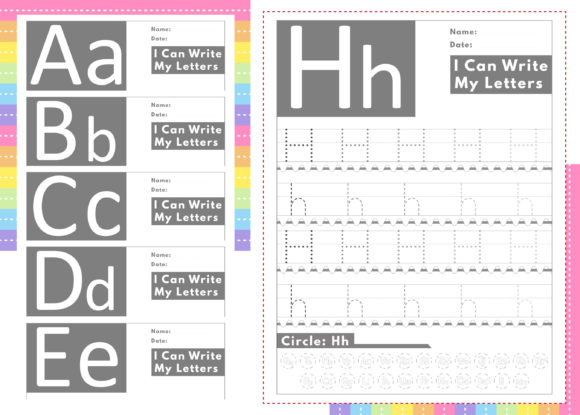
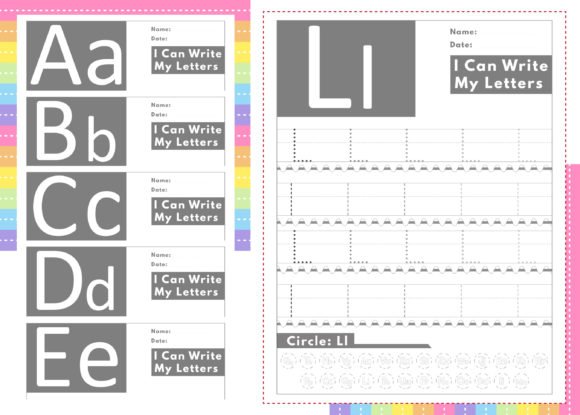
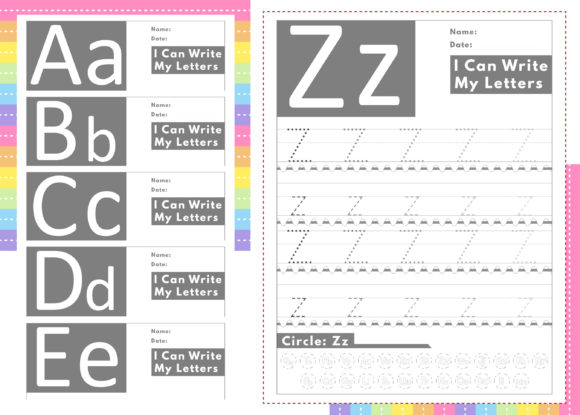
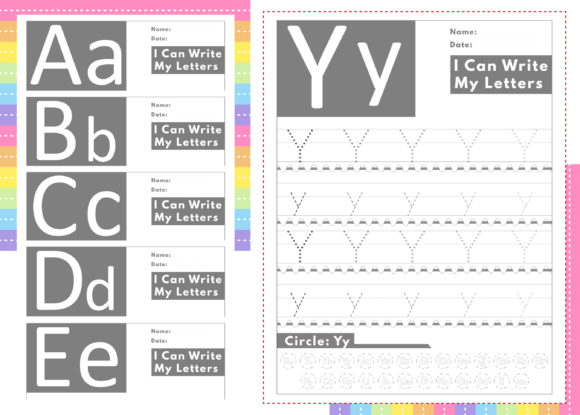
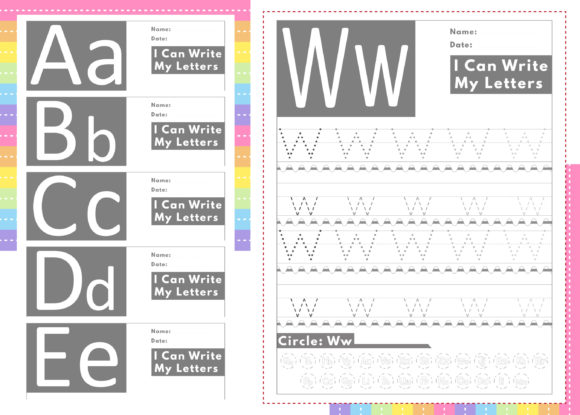
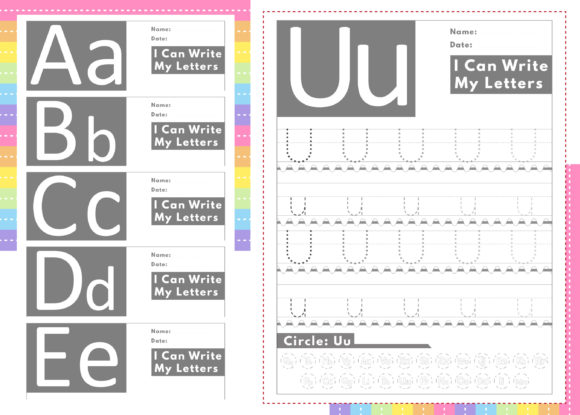
Effective alphabet letter tracing KDP interiors are distinguished by several deliberate design choices. First, the letter forms must be large, clear, and presented in a friendly, readable font suitable for young eyes. Each letter, from A to Z, should be accompanied by ample practice space, often starting with guided solid lines and progressing to dotted tracing paths. The inclusion of sight words alongside individual letters, as seen in some comprehensive workbooks, bridges the gap from letter isolation to practical word building. Furthermore, thoughtful interiors consider pacing, often grouping letters with similar shapes or introducing uppercase and lowercase forms logically. The visual appeal is paramount—engaging yet simple graphics maintain focus on the educational task without overwhelming the learner.
The Practical Advantages for Diverse User Groups
The utility of these resources extends beyond the child directly using the pencil. For parents and homeschooling facilitators, a ready-to-use workbook provides a structured curriculum element without requiring extensive preparation time. The consistency of having a complete set from A to Z ensures no gaps in instruction. For classroom teachers, such sheets serve as perfect supplementary material for center work, homework packets, or remedial practice, easily integrable into broader lesson plans. The advantages are tangible: standardized practice, measurable progress through sequential pages, and the ability to cater to individual student speeds.
Meeting the Needs of the KDP Creator and Business Owner
For entrepreneurs in the low and no-content publishing space, products like Alphabet Letter Tracing KDP Interiors U represent a streamlined solution. The emphasis on readiness—being formatted, tested, and prepared for immediate upload to platforms like Amazon KDP—translates directly into operational efficiency. A trim size of 8.5" x 11" is the industry standard for such educational workbooks, ensuring compatibility and customer familiarity. When an interior is described as gorgeous, it speaks to the professional polish that attracts buyers during the "Look Inside" preview feature, a critical moment in the online purchasing decision. This ready-made quality allows creators to focus on marketing and scaling their business rather than intricate design tasks.
Implementation in Real-World Learning Environments
Observations from early learning settings show how these sheets are deployed. A typical session might begin with a teacher introducing the letter "U," its sound, and a common sight word containing it, like "up." The child then turns to the dedicated practice page, perhaps part of a larger collection of Alphabet Letter Tracing KDP Interiors Practice Sheets A to Z. They first trace the large uppercase and lowercase 'U' with guided support, then progress to writing it independently in allocated spaces. The sheet might include a simple illustration related to the letter to reinforce association. This micro-lesson, repeated across the alphabet, builds cumulative mastery. The integration of sight words on these sheets further accelerates reading readiness, as children begin to recognize frequently used words in a traced, then written, context.
Considerations for Selecting or Creating Tracing Resources
When evaluating or producing such educational materials, several factors demand attention. The durability of the design against repeated printing is crucial for physical products. The sequencing of letters—whether alphabetical, phonological, or motor difficulty—should align with a recognized pedagogical approach. Space for free practice after tracing is essential to assess true learning. Additionally, for KDP-specific interiors, technical checks for margins, bleed, and image resolution are non-negotiable to ensure a flawless final printed product. The inclusion of bonus elements, like simple games or reward certificates on final pages, can enhance the perceived value and user enjoyment without deviating from the core educational purpose.
The Broader Impact on Early Childhood Literacy Trends
The availability of professionally designed, accessible tracing workbooks reflects a positive trend in democratizing educational resources. Parents, regardless of their own teaching background, can provide high-quality literacy groundwork. This aligns with growing societal emphasis on pre-kindergarten preparation. The products themselves evolve, with designers now often incorporating recommendations from occupational therapists on stroke order and fine motor development. The move from purely generic sheets to those that integrate sight words and contextual pictures demonstrates an understanding of holistic learning. As a result, these practice sheets are no longer seen as simple busy work but as foundational literacy tools.
In conclusion, the ecosystem surrounding alphabet tracing sheets serves multiple audiences with a shared goal: fostering early literacy success. From the meticulous design process ensuring a workbook is KDP-ready, to the moment a child confidently traces the curve of the letter 'U,' the value chain is rooted in practical utility. The proliferation of these resources empowers educators, supports business creators in a niche market, and ultimately provides children with a structured, enjoyable path toward reading and writing. The careful observation of how these materials are used in real settings continues to drive improvements in their design, making them ever more effective tools in the critical window of ages 3 to 5.