Unlocking Potential: The Structured Power of the 369 Manifestation Journal
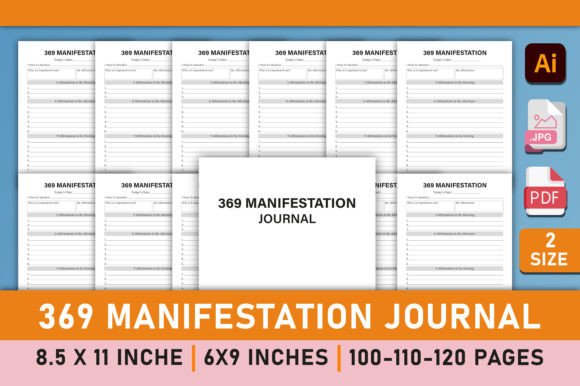
The practice of manifestation, or bringing specific desires into reality through focused intention, has moved from esoteric concept to mainstream personal development tool. While the core principles are timeless, the effectiveness often hinges on consistency and structure—two elements notoriously difficult to maintain in a busy life. This is where specialized tools like a Manifestation Journal 369 Method come into sharp focus. Such journals are designed not as passive notebooks but as active frameworks, channeling the popular 369 method (writing desires 3 times in the morning, 6 times during the day, and 9 times at night) into a disciplined, trackable practice.
A Framework for Discipline Over Wishfulness
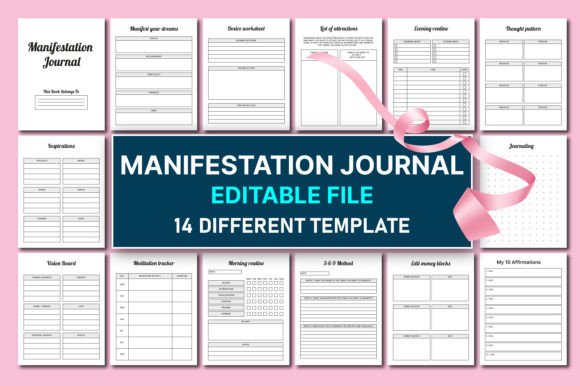
What distinguishes this approach from general journaling is its engineered layout. It transforms a potentially nebulous activity into a series of clear, daily actions. The value lies in moving beyond mere affirmation repetition. A comprehensive interior, like one offering 14 different templates, typically integrates complementary exercises: a vision board section for visual anchoring, meditation and routine trackers for holistic habit formation, and dedicated worksheets for dissecting desires and identifying subconscious money blocks. This multifunctionality addresses a common pitfall in manifestation—focusing solely on the goal without preparing the internal landscape to receive it.
Evaluating Practical Usability and Design Integrity
For practitioners, especially professionals and creators with limited time, usability is paramount. A well-designed journal interior must facilitate flow, not friction. Specifications such as 8.5 x 11 inches with no bleed indicate a standard, printer-friendly format, reducing technical hurdles for self-publishing on platforms like Amazon KDP. The inclusion of CMYK color and 300 PPI speaks to print-ready quality, ensuring that visual elements like vision boards or inspirational sections render with clarity and professionalism. An editable file option adds significant long-term value, allowing users to personalize or reuse the framework for different life cycles or goals, enhancing its adaptability.
Core Components and Their Functional Roles
The strength of a structured journal is in its component synergy. Let's examine key templates and their practical roles:
- The 3-6-9 Method Pages: These provide the daily rhythmic backbone. The enforced repetition is not about magic but about neurological reinforcement, embedding desires into the subconscious through consistent writing.
- Desire Worksheet & List of Attractions: These force specificity. Moving from a vague "I want more money" to a detailed, sensory-rich description of the desired outcome increases emotional engagement, a key driver in manifestation.
- Morning & Evening Routine Trackers: Manifestation is not isolated; it's supported by overall mindset. Tracking these routines helps users correlate their manifestation focus with other supportive habits like meditation, exercise, or planning.
- Vision Board & Meditation Tracker: These cater to different cognitive modes—visual and contemplative. A vision board concretizes goals, while a meditation tracker encourages the inner stillness necessary to align with those goals.
- Journaling Notes & Affirmations Section: This offers space for reflection and evolution. As beliefs change and evidence accumulates, notes allow the user to document progress and refine their approach.
Who Benefits Most From This Structured Approach?
The utility of a Manifestation Journal 369 Method is not universal; it fits specific user profiles and situations. Entrepreneurs and small business owners, who operate in goal-oriented, often high-stress environments, may find its structure invaluable for maintaining strategic focus on both business growth and personal well-being. Creators and freelancers battling project uncertainty can use it to consistently attract desired opportunities or creative inspiration. Serious hobbyists in personal development are likely to appreciate the consolidated, trackable system over disparate notes and apps.
It is less suited for those seeking a quick, minimal-effort solution. The method demands daily engagement. Its greatest potential is realized by individuals who acknowledge that manifestation involves work—the work of clarifying intention, maintaining focus, and cultivating a receptive state—and who want a dedicated tool to organize that work efficiently.
Long-Term Value and Potential Limitations
A high-quality journal interior offers enduring value. Unlike a consumable notebook, a reusable editable template can serve for years, adapting to evolving goals. The consolidation of multiple techniques (tracking, journaling, vision boarding) into one coherent package reduces tool fragmentation, a subtle but real barrier to consistency.
However, realistic considerations exist. The effectiveness remains user-dependent; the journal provides the excellent map, but the user must undertake the journey. For some, the rigidity of the 369 schedule might feel mechanistic. Furthermore, while the design specifications ensure professional print quality, the ultimate aesthetic and motivational impact will depend heavily on the user's personal engagement with the content they generate within the framework.
Integration into Existing Workflows
For the target audience of busy adults, integration ease is critical. A well-organized journal should act as a swift morning and evening touchpoint, not a burdensome task. Professionals might integrate the morning 3 writings with their daily planning session and the evening 9 repetitions with their shutdown ritual. The trackers for routines and meditation can dovetail with existing habit apps or planners, serving as a centralized manifestation-specific log.
Final Observations for Prospective Users
When evaluating a Manifestation Journal 369 Method product, look beyond the number of templates to their logical flow and comprehensiveness. Does the sequence of pages guide you naturally through a daily and weekly process? Are the ancillary sections, like the money blocks editor, genuinely useful for deep work? The presence of KDP-tested specifications is a strong indicator of practical creator consideration, ensuring the product functions as intended in the real-world self-publishing ecosystem.
In essence, such a journal is a catalyst for disciplined practice. It is a tool for those ready to transition from interested experimentation to committed application. It offers little to the passive observer but significant leverage to the active participant willing to engage with its structured prompts and consistent framework. For individuals seeking to bring order and evidence-based method to the art of manifestation, a professionally designed 369 journal interior represents a concrete step toward turning aspiration into documented reality.