Your Ultimate Tool for a Productive 2023: The Essential Planner Interior
As we approach a new year, the promise of a fresh start is incredibly motivating. For creators, entrepreneurs, and busy professionals, capturing that momentum in a structured way is key to achieving your goals. This is where a well-designed 2023 planner becomes invaluable. But the planner itself is only part of the equation; the foundation is its interior design. Many people overlook the critical importance of a professionally crafted, print-ready template, opting for quick, generic solutions that ultimately hinder their productivity and project success.
The Core Components of a Successful Planner
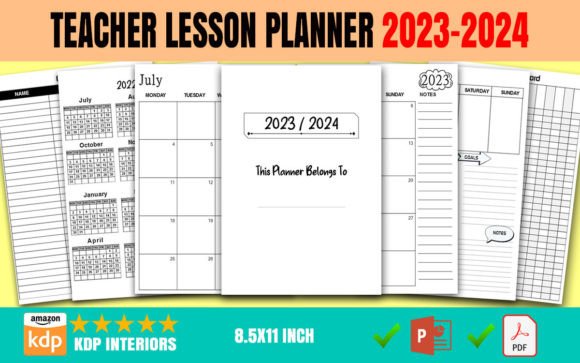
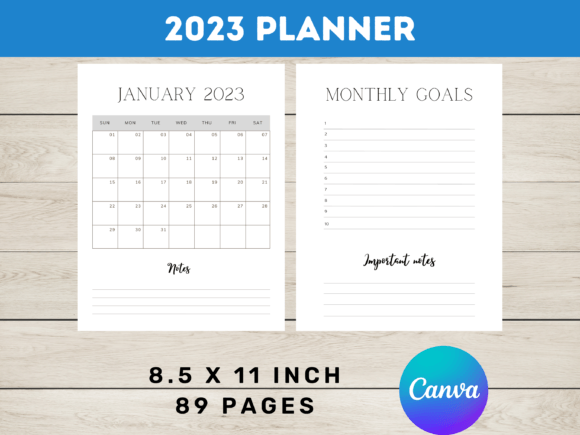
A truly effective planner is more than just dated pages. The described 2023 planner interior includes three integrated sections designed to work in harmony: a weekly planner for daily task management, a monthly planner for broader scheduling and event tracking, and a monthly goal planner for strategic focus. This triad addresses different cognitive levels of planning, from the granular to the aspirational. However, a common oversight is using planners that separate these functions into disconnected documents, forcing you to constantly cross-reference and losing the cohesive flow that turns planning into a natural habit.
Common Pitfalls When Choosing a KDP Planner Template
When publishing on Amazon KDP (Kindle Direct Publishing), the technical details are not just specifications—they are the bedrock of quality. One frequent misunderstanding is regarding bleed. This template is correctly configured with "No Bleed" for its 8.5" x 11" dimensions. Bleed is a printing term for images or color that extend beyond the page edge to avoid unwanted borders after trimming. Using a bleed template when your design doesn’t require it, or vice-versa, can result in a final product with uneven white margins or cut-off content. Always match the bleed setting to your design intent.
Another easily overlooked detail is the total page count. This interior is 89 pages, a substantial length that provides ample space for the entire year without being overly bulky. Some creators mistakenly seek the shortest possible template to save on printing costs, but this often leads to cramped weekly spreads where important notes get lost, undermining the planner's utility. Conversely, templates with excessive pages can feel daunting and unused, wasting resources. The 89-page count here strikes a practical balance for a full-year, three-section planner.
The Critical Importance of Print-Ready Files
The note "PDF file 100% ready for Amazon KDP uploading" is not a mere feature; it's a guarantee of technical compliance. A major mistake is attempting to upload document files from standard word processors or improperly exported PDFs. These can often lead to rejected uploads, font embedding issues, low-resolution graphics, or incorrect page sizing. The resulting delays and troubleshooting can frustrate even experienced publishers. A high-resolution, print-ready PDF ensures that the intricate layouts, lines, and any design elements in your 2023 planner will appear sharp and professional on every printed copy, directly impacting customer satisfaction and perceived value.
Practical Advice for KDP Creators and Users
First, always remember this is an "Interior Only" product. You must create your own cover. This is a better approach than you might think. Many pre-made bundles include covers that limit your branding and market differentiation. By focusing on a superior interior and commissioning or designing a cover that perfectly matches your brand's aesthetic, you create a more cohesive and unique product. Invest time in a cover that communicates the quality of the interior within.
Before finalizing your purchase or use of any planner interior, verify its structural logic. For example, open the PDF and check how the monthly goal planner pages relate to the monthly calendars. Are they adjacent? Does the flow feel intuitive? A disjointed sequence can make the planner frustrating to use in practice. Also, simulate a "week in use": write sample entries in the weekly spread to test spacing. Is there enough room for your typical daily list? This simple test can prevent the disappointment of a planner that doesn't fit your real-world needs.
Optimizing Your Planning Experience
To avoid the common mistake of underutilizing a planner, integrate the three sections actively. A realistic example: In your monthly goal planner at the start of January, set a goal like "Develop client onboarding process." In the monthly calendar, block time for "Project: Onboarding" on specific Fridays. Then, in the weekly planner for those weeks, break it down into actionable tasks: "Draft welcome email template on Monday," "Research software tools on Wednesday." This layered approach bridges the gap between ambition and execution, making your 2023 planner a dynamic command center rather than a passive logbook.
Finally, consider your audience if you are a KDP publisher. A clean, professional interior like this appeals to adults who value functionality over frivolous decoration. Its clear sections and ample space support the needs of professionals, educators, and small business owners who require robust planning without distraction. By choosing an interior that prioritizes usability and print perfection, you are not just selling pages; you are offering a tool for meaningful achievement, which is the most compelling value proposition for your potential customers.
Embracing a new year with intention requires the right framework. By selecting a technically sound, thoughtfully structured 2023 planner interior, you equip yourself—or your customers—with a foundation for success. Avoiding the common technical and usability pitfalls ensures that the effort you invest in planning yields the productivity and clarity you deserve, turning your goals for 2023 into a documented reality.