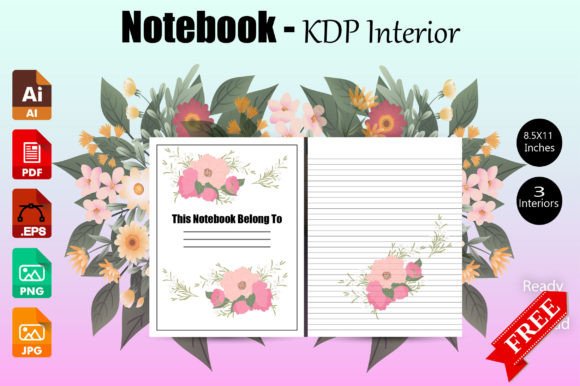
Notebook KDP Interiors: Your Blueprint for a Custom Publishing Project
You've felt the pull of creating your own notebook. Whether for personal use, as a gift, or to launch a side business on Amazon's Kindle Direct Publishing platform, the idea is exciting. But then you hit the practical roadblocks. Designing the interior pages—the margins, the line spacing, the page numbers, the table of contents—isn't as simple as opening a blank document. This is where a product like Notebook - KDP Interiors shifts from being a digital file to a powerful tool. It's not just a template; it's a complete, print-ready interior design system for a standard notebook, provided in multiple professional file formats ready for your customization or immediate upload.
What Exactly Is Notebook - KDP Interiors?
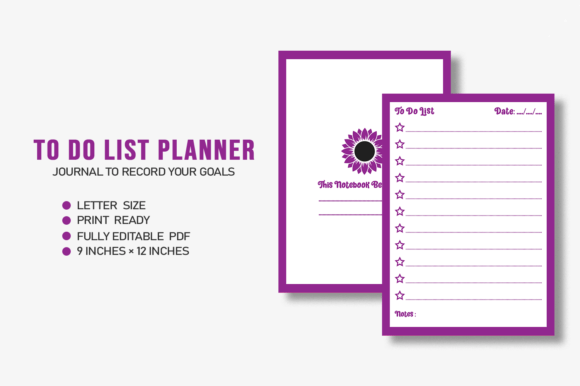
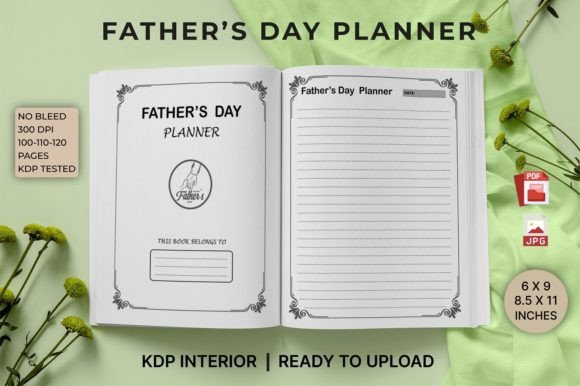
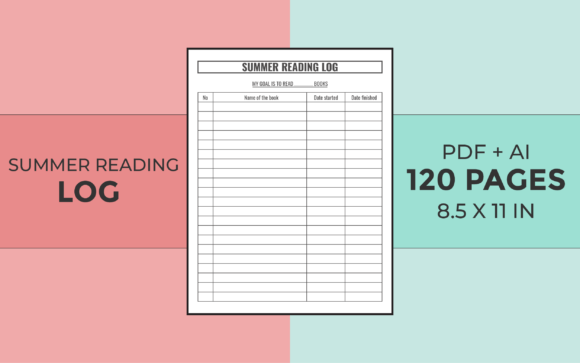
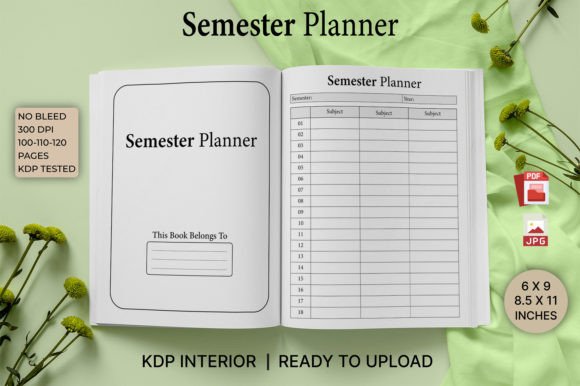
Think of it as the architectural plans for a house, but for your notebook. Instead of starting from a bare, empty page, you receive a fully constructed foundation. The Notebook - KDP Interiors package typically includes a set of source files and a final PDF. The specifications are clear and tailored for KDP's requirements: an 8.5" x 11" inch dimension (standard US Letter size), a choice of page counts like 100, 110, 120, or 150 pages, and a "No Bleed" setup perfect for simple interior pages. The key value is in the files provided: you often get Adobe Illustrator (AI) and InDesign (INDD) source files alongside the final High-Quality Print Ready PDF, plus EPS, JPG, and PNG formats. This means you have the raw, editable building blocks.
Who Actually Uses This and Why?
The audience is broader than just "authors." It's anyone who needs a structured, professional notebook interior but lacks the time, software skills, or desire to build it from zero.
Consider the Content Creator or Coach developing a companion workbook for their online course. They have the knowledge but not the graphic design expertise. Using the InDesign source file from Notebook - KDP Interiors, they can easily swap in their own branding colors, modify header fonts, and insert their specific exercise prompts into the pre-formatted layout, ensuring every page looks cohesive and professional.
Then there's the Small Business Owner looking to create branded notebooks for their boutique or consultancy. They want to give clients a thoughtful, useful gift or sell a branded product. The Illustrator (AI) files allow them to seamlessly integrate their logo and company graphics into the notebook's cover and interior design elements, creating a custom product without hiring a designer.
Even Seasoned KDP Publishers use these interiors for speed and consistency. If they're launching a series of themed notebooks—say, a gardening planner, a meal-prep log, and a financial tracker—they can use the same foundational Notebook - KDP Interiors layout for each. This ensures uniform margins, page numbering, and structure across all products, saving countless hours on repetitive setup while allowing them to focus on the unique content and covers for each niche.
Real-World Scenarios and Practical Applications
Let's move beyond labels and look at situations.
Scenario 1: The Quick-Launch Side Hustle. Someone identifies a trend, like "mindfulness journaling for busy parents." They want to test the market quickly. Downloading the ready-to-upload PDF means they can have a product listed on KDP within hours, not weeks. They use the existing clean layout, focus solely on crafting a compelling cover and description, and gauge market interest. If it sells, they then invest time later into customizing the source files for a more unique version.
Scenario 2: The Hybrid Digital-Physical Product. A therapist creating worksheets for clients might use the JPG or PNG page files extracted from the package. They can embed these individual, beautifully formatted page images into their digital PDF guides or online portals, providing clients with printable, structured pages that feel more substantial than a basic Word document.
Scenario 3: The Community or Group Project. A community organizer putting together a local history project might need a unified notebook for contributors. The EPS vector files can be invaluable for large-scale printing or adaptation by a local print shop, ensuring the interior design scales perfectly without quality loss.
Important Considerations Before You Begin
While Notebook - KDP Interiors removes many technical hurdles, a few practical thoughts will ensure it's the right tool for your project.
- Software Access: The true customization power lies in the AI and INDD source files. Do you have, or are you willing to learn, Adobe Illustrator or InDesign? If not, your customization will be limited to the final PDF, or you may need to hire someone briefly to make your changes using the provided source files.
- Niche Alignment: Is the standard 8.5" x 11" lined notebook format right for your audience? Some niches, like compact travel journals or artists seeking sketchbook interiors, might require different dimensions or page styles (blank vs. lined). This package solves for a very popular, general-use case.
- The "No Bleed" Specification: This is perfect for text and line-based interiors. Bleed is used when design elements need to extend to the edge of the page. For a simple notebook interior, no bleed is correct and simplifies the printing process. Just ensure your cover design, if it includes bleed, is handled separately.
How Different Users Extract Different Value
The benefit changes based on your starting point.
For the Absolute Beginner, the value is in confidence and compliance. The Print Ready PDF is guaranteed to meet KDP's technical standards for interior file upload. This eliminates the anxiety of "will my file print correctly?" and lets them focus on the parts of publishing they can control: cover design, title, and marketing.
For the Intermediate Designer with some Adobe software knowledge, the value is acceleration and learning. They can deconstruct the InDesign file to see how a professional layout is built—how master pages control page numbers, how styles govern text. It's a learning tool that speeds up their current project.
For the Busy Entrepreneur, the value is resource allocation. It allows them to outsource the foundational design work at a low cost, freeing their budget and time to hire a designer for the more impactful, custom elements like a unique cover or branded graphics, which will more directly attract customers.
The strengths are clear: time savings, technical reliability, and professional baseline quality. A potential limitation, as noted, is the need for specific software to unlock full customization. Also, it is a solution for a type of product—the standard notebook. It won't help you build a calendar, a planner with complex tables, or a coloring book. It excels at providing the invisible structure that makes a notebook feel polished and easy to use.
In the end, Notebook - KDP Interiors serves as a bridge. It bridges the gap between your idea and a tangible product. It bridges the skills you have and the skills you might lack. For anyone looking to step into the world of creating physical notebooks, whether for passion, profit, or practicality, it provides the solid, ready-made groundwork upon which you can build your own unique vision.