The Bullet Journal Method: A Simple System for Organized Living
In a world brimming with digital notifications and sprawling to-do lists, a simple analog system has captured the attention of millions seeking clarity and control. The Bullet Journal, often abbreviated as BuJo, is more than just a notebook; it’s a flexible methodology for tracking the past, organizing the present, and planning the future. At its heart, it is a customizable framework that combines planning, journaling, and list-making into one cohesive practice. It rejects the pre-structured, often rigid pages of traditional planners, offering instead a blank canvas where you decide what matters most.
Why the Bullet Journal Resonates with So Many People
The core appeal of the Bullet Journal lies in its adaptability and mindfulness. It serves as a centralized repository for everything from daily tasks and monthly goals to personal reflections and creative project notes. For the beginner feeling overwhelmed by disjointed apps and sticky notes, it provides a tangible, singular place to capture thoughts. For the creative professional or entrepreneur, it becomes a thinking tool, a space to brainstorm and map out business growth. Its value is not in fancy decorations—though many enjoy that aspect—but in the mental clarity gained from writing things down and reviewing them regularly.
People gravitate towards this system for various reasons. It solves the problem of fragmented information, where tasks are scattered across emails, calendars, and random notebooks. It supports goals like improving productivity, reducing anxiety, boosting memory, or simply cultivating a more intentional lifestyle. Whether you’re a student managing coursework and personal projects, a freelancer tracking client work and invoices, or a hobbyist documenting progress on a new skill, the Bullet Journal method can be tailored to fit.
Practical Applications in Daily Life and Business
The contexts where a Bullet Journal proves useful are remarkably diverse. In a personal or lifestyle context, it might house gratitude logs, health habit trackers, or reading lists. In a creative context, artists and writers use it for sketch ideas, plot outlines, or mood boards. Professionally, it can manage project milestones, meeting notes, and quarterly objectives. Educators might use it to plan lessons and track student progress. Its analog nature encourages a pause for reflection, something digital tools often skip.
Consider a realistic use case: a small business owner launching a new product. Their Bullet Journal could contain a future log for long-term launch dates, monthly spreads for weekly marketing tasks, daily entries for immediate action items, and a collection page for vendor contact details. This brings cohesion to a complex process. For a casual user, it might simply be a beautifully maintained record of gardening notes and seasonal recipes, blending practicality with personal joy.
Key Considerations Before Starting Your BuJo Practice
Embracing the Bullet Journal method requires a few important considerations. First, it demands a small but regular commitment of time for setup and review. The system is intentionally low-tech, so if you thrive on digital automation, adapting might need a conscious shift. Also, there’s no single “right” way; it’s designed for experimentation. You might start with the official rapid-logging system using bullets, tasks, and events, then gradually incorporate your own symbols and layouts. The physical notebook itself is a key choice—size, paper quality, and binding all affect the experience.
For many, the desire to begin coincides with the search for the perfect notebook. While you can use any blank journal, specific layouts can accelerate the process, especially for those publishing or creating content for others.
From Personal Use to Publishing Opportunity
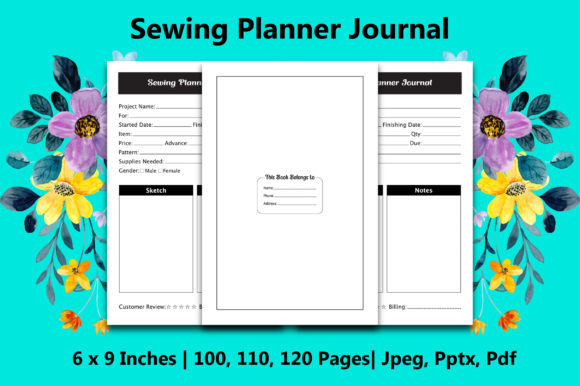
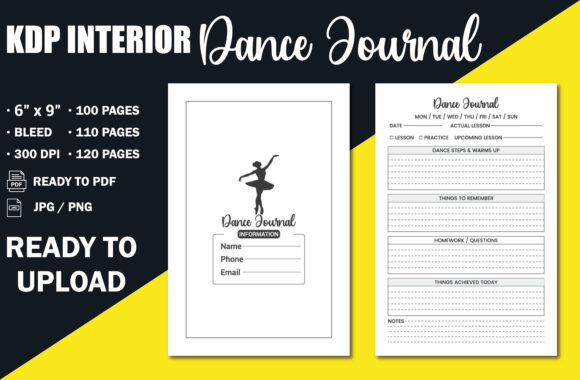
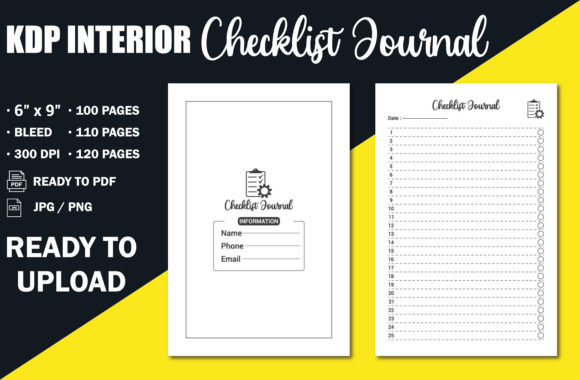
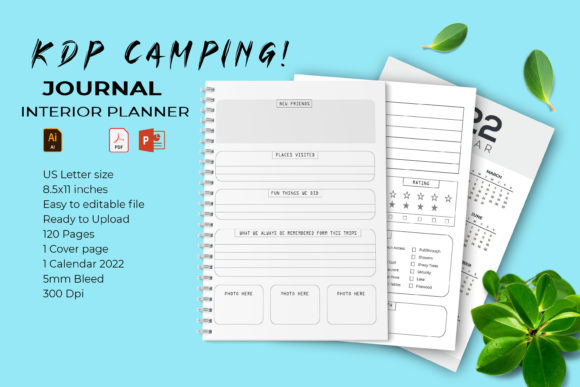
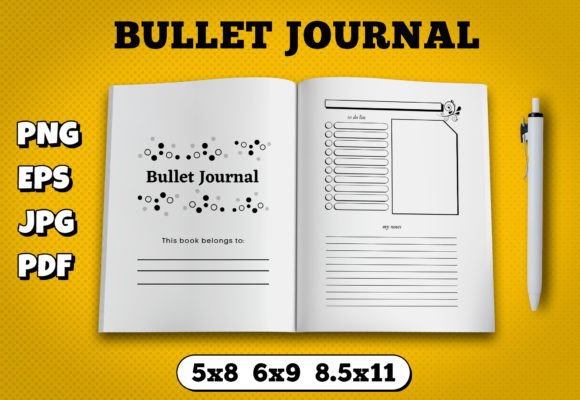
The popularity of the Bullet Journal has naturally created a demand for related tools and resources. This is where the practice intersects with digital creation and commercial opportunity. If you are looking for a fantastic Bullet Journal KDP interior for Amazon Kindle, then an editable book template might be the perfect solution. These templates provide a ready-to-use structure, allowing you to focus on content and publishing rather than designing pages from scratch.
With simple, clean interiors, you have the perfect start as a publisher on the self-publishing platform. These are ideal for low-content or no-content books, a popular category on Amazon KDP that includes journals, planners, and trackers. The ready-to-use Kindle pages are typically in black and white, ensuring clarity and cost-effective printing. You can use this manuscript for other purposes too, like physical writing, printing for personal use, or as a base for further customization. It’s a practical way to grow your Kindle Direct Publishing business with minimal upfront design effort.
What a Comprehensive Template Package Offers
A robust digital package for this purpose typically includes multiple formats and sizes to maximize usability. For instance, you might receive:
- 5x8 versions as JPG, PNG, EPS, PDF (without bleed)
- 6x9 versions as JPG, PNG, EPS, PDF (without bleed)
- 8.5x11 versions as JPG, PNG, EPS, PDF (without bleed)
The PDF file is usually ready to upload directly to Amazon KDP, conforming to their specifications. All these digital files are conveniently bundled in a ZIP folder for easy download and organization. Such versatility means you can adapt the interior for different book dimensions or use the image files for promotional materials.
Exploring a shop that offers these templates often leads to discovering more beautiful KDP interiors like journals, notebooks, organizers, trackers, planners, sketchbooks, checklists, mandala coloring books, and diaries. This variety supports expanding your publishing catalog to meet diverse audience needs, all while leveraging the organizational principles that make tools like the Bullet Journal so enduringly popular.
Ultimately, whether you are adopting the Bullet Journal method for personal order and mindfulness, or utilizing a professional template to build a publishing business around it, the core principle remains the same: designing a structure that empowers you to capture, organize, and execute your ideas. It’s a simple concept with profound applications, bridging the gap between thoughtful personal practice and creative commercial enterprise.