Understanding the Role of Structured Anxiety Management Journals in Modern Self-Care
The landscape of personal wellness tools has expanded significantly, moving beyond generic notebooks to include purpose-built planners designed to address specific mental health challenges. Among these specialized tools, structured journals for managing anxiety have gained prominence, offering a systematic approach to tracking moods, triggers, and coping mechanisms.
The Core Characteristics of a Dedicated Anxiety Planner
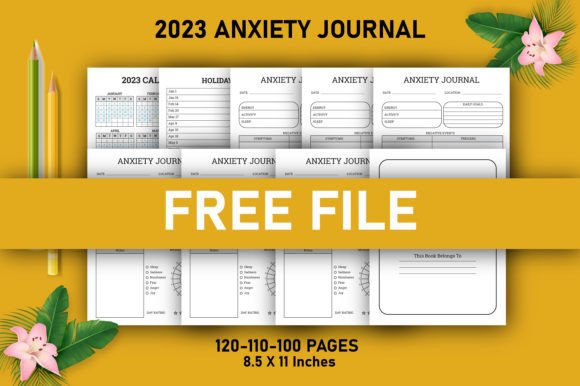
A dedicated planner for anxiety is more than a simple diary. Its structure is intentionally crafted to guide the user through a reflective and actionable process. Common characteristics include sections for daily mood logging, identifying anxiety triggers, space for cognitive reframing exercises, and trackers for physical symptoms like sleep quality or restlessness. This intentional design transforms a blank page into a therapeutic framework, encouraging consistent engagement and pattern recognition over time.
Design Considerations for Print-Ready Digital Products
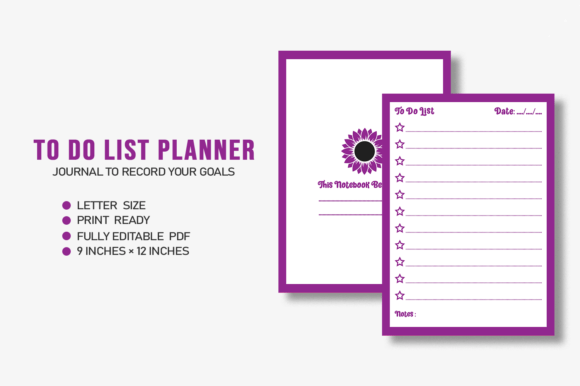
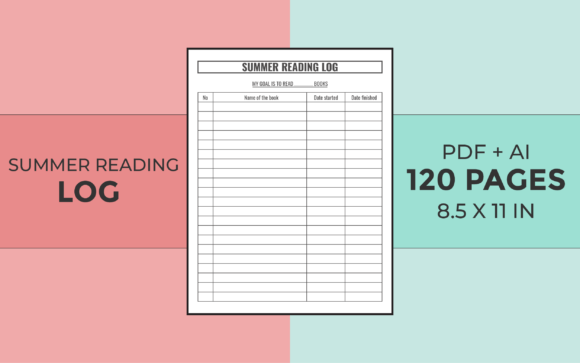
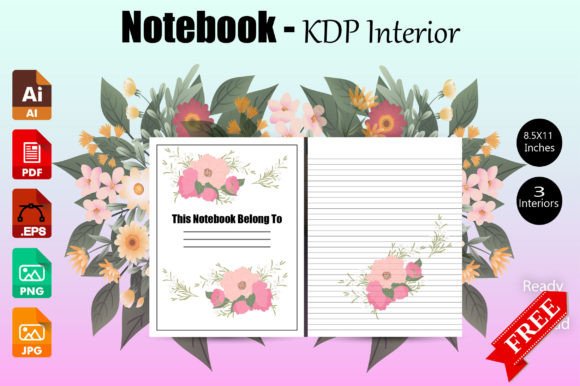
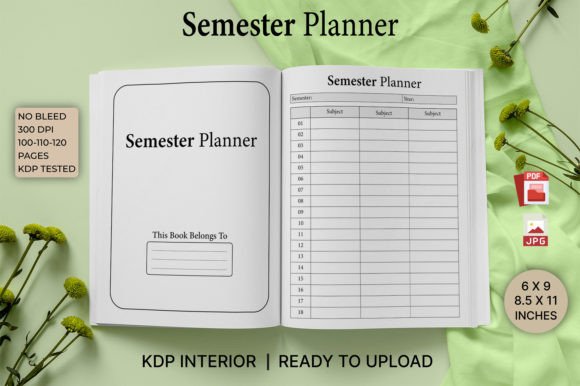
For creators looking to offer such tools, particularly through platforms like Amazon KDP, the technical specifications of the product are paramount. A well-designed interior file, such as a 2023 Anxiety Planner for KDP Interiors, must adhere to strict print standards. This includes a page size of 8.5 x 11 inches without bleed area, utilization of CMYK color for accurate printing, and a resolution of 300 PPI to ensure crisp text and graphics. The result is a high-quality, print-ready PDF file that meets platform requirements and provides a professional final product for the end user.
The practical value of these specifications is significant for both creator and consumer. A KDP tested file minimizes the risk of printing errors or format rejections, streamlining the publishing process. For the purchaser, it guarantees that a physical journal, when printed, will have the clarity, color fidelity, and layout integrity intended by the designer. This attention to detail, from the functional interior layout to the technical print readiness, is a hallmark of a professional digital product in this space.
Real-World Applications and User Scenarios
The application of an anxiety planner spans various user contexts. Individuals navigating generalized anxiety may use it to break down overwhelming feelings into manageable, daily observations. Professionals in high-stress fields might employ it to compartmentalize work-related stress and prevent burnout. Educators and therapists sometimes recommend such structured journals as a supplementary tool for clients, providing a private space for externalizing thoughts between sessions.
Furthermore, the utility extends to hobbyists and researchers interested in self-experimentation or tracking personal data over time. The consistent format of a 100 to 120-page journal, for example, allows for a longitudinal view of anxiety patterns, potentially revealing correlations with lifestyle factors, seasons, or personal events that might otherwise go unnoticed. This capacity for creating a personal dataset is a powerful aspect of structured journaling.
Integration into Daily and Therapeutic Workflows
Successful integration of any planner into a routine depends on its ease of use and relevance. A well-designed anxiety journal anticipates the user's workflow. It might begin with a morning check-in page to set intention, include midday prompts for noting acute stressors, and conclude with an evening reflection to process the day’s events. This natural flow mirrors daily rhythms, increasing the likelihood of consistent use.
Within therapeutic or coaching contexts, such a planner can serve as a bridge between formal sessions. A client can document thoughts and episodes as they occur, providing raw, real-time data that is far more accurate than recalled summaries during an appointment. The therapist can then review patterns together with the client, using the journal entries as a concrete reference point for discussion and strategy development. This collaborative use underscores the tool’s role as an active component in a broader management plan.
Key Advantages of a Pre-Designed, Printable Journal Interior
For the end user, acquiring a ready-to-use digital interior like a 2023 Anxiety Planner For KDP Interiors offers distinct advantages over creating a system from scratch. The primary benefit is the removal of the design burden. Individuals seeking support often lack the energy or expertise to structure an effective tracking system themselves. A pre-designed product provides an immediate, expert-guided framework they can begin using without any preparatory work.
Another advantage lies in the objective structure. A personal, free-form journal can become erratic or biased. A structured planner, with its prompted sections, encourages the user to consider aspects they might otherwise avoid, such as physical symptoms or positive counter-evidence to anxious thoughts. It imposes a gentle discipline on the reflection process, fostering a more balanced and comprehensive self-assessment.
From a creator's perspective, offering a tested, print-ready file is a significant business consideration. It represents a product that is ready for immediate distribution, requiring no further technical adjustment. This allows educators, mental health advocates, or digital entrepreneurs to share a helpful tool without investing in complex graphic design or print testing processes themselves. The mention of being “ready to upload on amazon KDP” speaks directly to this streamlined path to market.
Observations on Trends and Consumer Expectations
The demand for specialized self-care tools reflects a broader trend towards personalized and proactive mental health management. Consumers are increasingly discerning, looking for products that are not only aesthetically pleasing but also functionally robust and psychologically informed. A journal that merely has “anxiety” on the cover will not suffice; the interior must demonstrate an understanding of cognitive-behavioral principles, mindfulness exercises, or other evidence-informed approaches.
Furthermore, the digital product market for printable interiors has matured. Buyers expect high-quality files that are meticulously formatted. Comments like “You will get high quality print ready pdf files” and “KDP Tested” are not just promotional points; they are essential assurances that address common consumer concerns about print quality and platform compatibility. This transparency builds trust and reduces perceived risk for the purchaser.
Important Considerations for Users and Creators
While the benefits are clear, certain considerations are important. For the user, a structured journal is a tool, not a treatment. It is most effective when used as part of a holistic approach that may include professional support, lifestyle changes, and community connection. The act of journaling can sometimes initially increase focus on negative thoughts, so guidance on using the tool constructively is often beneficial.
For creators designing or distributing such products, ethical considerations are paramount. The content should be supportive and avoid making claims of curing or treating medical conditions. The language should be empowering and focused on management and awareness. Providing clear instructions on how to effectively use the planner can enhance its helpfulness and align with E-E-A-T principles—demonstrating Experience, Expertise, Authoritativeness, and Trustworthiness through the product’s thoughtful design and accompanying guidance.
Ultimately, whether one is using a professionally designed anxiety journal or creating content for others, the core objective remains the same: to provide a structured, safe, and practical space for navigating anxiety. By converting intangible feelings into written observations, patterns, and plans, such tools empower individuals to engage with their mental landscape more objectively and actively, a process that remains profoundly relevant across a broad spectrum of modern lives.